50 Moms Came Clean About the Money They Spend Without Telling Their Partners — Here's What's Really Going On
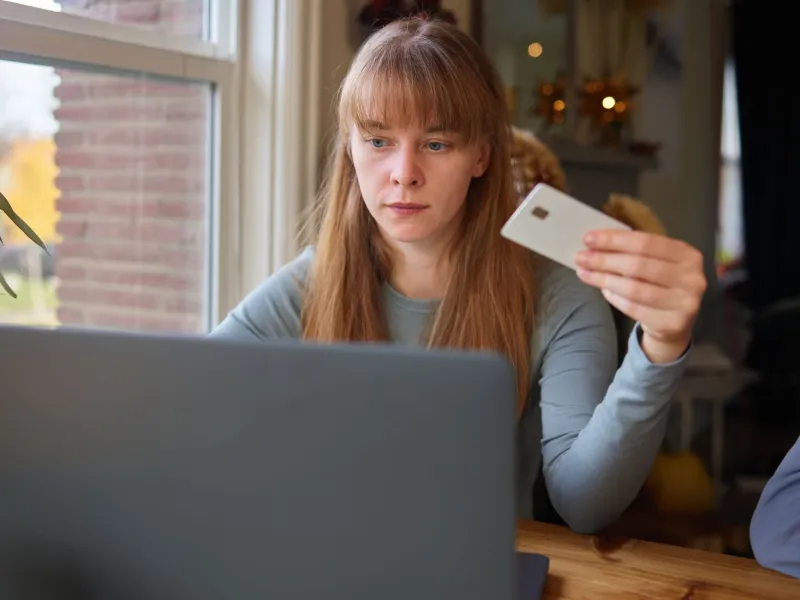
Let's just say it out loud: a lot of moms are hiding purchases from their partners. Not because they're being shady. Not because they don't love their families. But because somewhere between becoming a mother and becoming someone who asks permission to buy a $40 eye cream, something shifted — and not in a good direction.
We asked 50 moms across the US to get brutally honest about the money they spend without looping in their partners. What we got back wasn't a list of frivolous splurges. It was something way more complicated — and way more human.
The Stuff They're Actually Buying
The range was wide. Like, really wide.
Some moms copped to small stuff: an extra latte here, a book from a list their partner would definitely roll their eyes at, a candle that cost more than it probably should. Others were sitting on bigger secrets — a therapy copay they pay in cash, a gym membership their spouse doesn't know is still active, a monthly subscription box that arrives at a neighbor's house.
"I have a separate Venmo account," one mom from Ohio told us. "It started because I wanted to be able to buy birthday gifts without him seeing the charges. Now it's just... my money. My breathing room."
Another mom in her early 40s from Texas said she's been paying out of pocket for therapy for almost two years. "He'd be supportive, probably. But then it becomes a conversation, and then I have to explain why I need it, and honestly? I don't have the energy to justify my mental health to anyone."
It's Not Really About the Money
Here's the thing that kept coming up, over and over: this isn't actually about the purchases themselves. It's about what the purchases represent.
For a lot of moms, spending money on themselves — without having to explain or defend it — is one of the only forms of autonomy they have left. When you're managing a household, coordinating school pickups, keeping track of literally everyone else's needs, and possibly working a full-time job on top of it, a $30 impulse buy can feel like the one decision you made entirely for yourself all week.
"It's not about hiding it," said one mom of three from Georgia. "It's about having something that's just mine. I don't ask him about every beer he buys. But somehow my skincare routine is a budget discussion."
That double standard? It came up constantly.
The Guilt Is Real — But So Is the Resentment
Almost every mom we heard from mentioned guilt in the same breath as relief. They feel bad about the secrecy. But they also feel something that's harder to name — a low-level resentment that they have to hide purchases at all, while their partners seem to operate with a totally different set of rules.
"He bought a $300 fishing lure last month," one mom from Minnesota said. "I didn't find out for weeks. Meanwhile, I'm hiding a $25 lip gloss in my gym bag like I'm smuggling contraband."
Financial therapists have a term for this dynamic: financial infidelity. But the conversation around it tends to focus on the person doing the hiding as the problem — when really, the hiding is often a symptom of a relationship where one partner's spending is scrutinized more than the other's, or where a stay-at-home mom doesn't feel like she has equal claim to household income.
"I don't earn a paycheck," said one mom who left her job after her second kid. "So technically it's 'his' money. Except I work around the clock keeping this family running. The fact that I have to hide buying myself a book is honestly humiliating when I say it out loud."
When It Becomes a Problem (and When It Doesn't)
Not all financial secrets are created equal, and it's worth being honest about the spectrum here.
There's a real difference between keeping a small personal fund for guilt-free spending and hiding significant debt or major financial decisions from a spouse. One is a boundary. The other can genuinely damage a relationship and a household's financial health.
But for most of the moms we spoke to, we're talking about the former — small purchases, personal expenses, the occasional splurge that they've decided they don't owe anyone an explanation for.
Financial experts often recommend that couples — especially those where one partner earns significantly more, or where one partner doesn't work outside the home — agree on a personal spending allowance for each person. No questions asked, no receipts required. It sounds almost embarrassingly simple, but it can completely change the dynamic.
"We finally did this last year," one mom from Colorado told us. "Each of us gets $200 a month to spend however we want. No reporting back. It sounds small but honestly it's been huge for our relationship. I don't hide anything anymore because I don't have to."
What Moms Actually Want
When we asked moms what they wished was different, they weren't asking for permission to blow the family budget. They were asking for something much more basic: to be treated like full financial partners, even when — especially when — they're not bringing home a paycheck.
They want to spend $18 on a face mask without a raised eyebrow. They want to pay for therapy without filing a report. They want to order something from Amazon and not have to intercept the package before their partner sees the notification.
They want, in other words, to feel like adults in their own lives.
"I love my husband," one mom said simply. "But I am a grown woman. I should not have to hide a library book because he'll ask how much it cost."
Hard to argue with that.
The Bottom Line
Financial secrecy in relationships is worth examining — not to shame the moms who are doing it, but to ask what it says about how we structure money and power inside families. When hiding a $12 dry shampoo feels necessary, something in the relationship's financial dynamic needs a conversation.
And if you're a mom reading this while quietly nodding along? You're not alone. Not even a little bit. The secret spending isn't the problem. The fact that so many moms feel like they need it? That's the conversation we should actually be having.